
 written by
Something extraordinary is happening in the Caribbean. For decades, global conversations about digital identity and trust were dominated by the same names — Estonia, India, Singapore. But now, for the first time, the Caribbean is stepping into that arena with a bold new vision: to build the world’s most powerful framework for trust, rooted in our own realities and ready to shape the future.
Why the Caribbean? Because our region lives the very challenges the rest of the world is only beginning to face:
Dozens of small nations navigating cross-border mobility every day.
Diaspora connections linking citizens across continents.
Societies that rely heavily on trust in community and institutions, but have struggled with outdated, paper-based systems.
A growing demand for digital government, commerce, and education that can no longer wait for central databases or foreign platforms to catch up.
This combination of scale, diversity, and urgency makes the Caribbean the perfect testbed — and launchpad — for a new kind of trust network. One that doesn’t replicate what others have done, but reimagines it.
Why Centralization Falls Short
The old model of digital transformation has leaned heavily on centralized mega-databases. They promised efficiency, but in practice they:
-
Create massive single points of failure — one breach can expose millions.
-
Strip ministries and agencies of sovereignty over their data.
-
Slow down innovation because every project depends on the same core infrastructure.
For our region, where sovereignty, diversity, and resilience are non-negotiable, this model doesn’t work.
A New Trust Exchange Layer
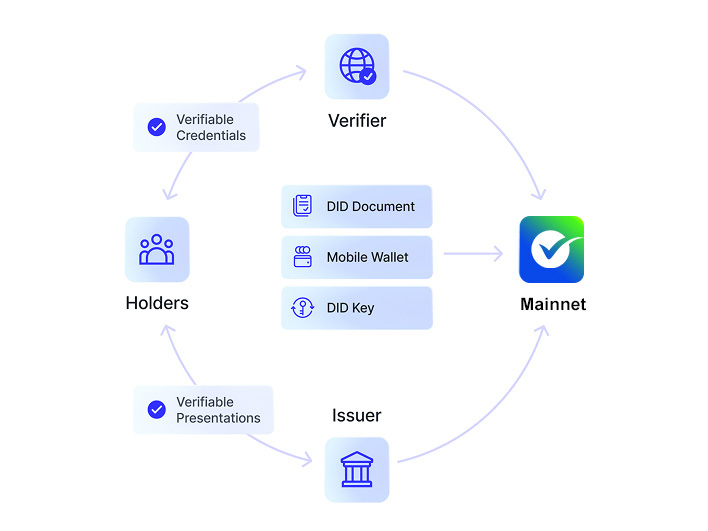
Instead of centralization, imagine a secure, decentralized trust exchange layer where:
-
Ministries & Agencies Stay Sovereign
Each keeps its own records — from tax to health, education to immigration — without merging into a single database. -
Interoperability Is Guaranteed
Blockchain anchors integrity, while global standards like OIDC4VC, JSON-LD, and ISO/IEC 18013-5 ensure our systems can plug into the wider world. -
Citizens Own Their Credentials
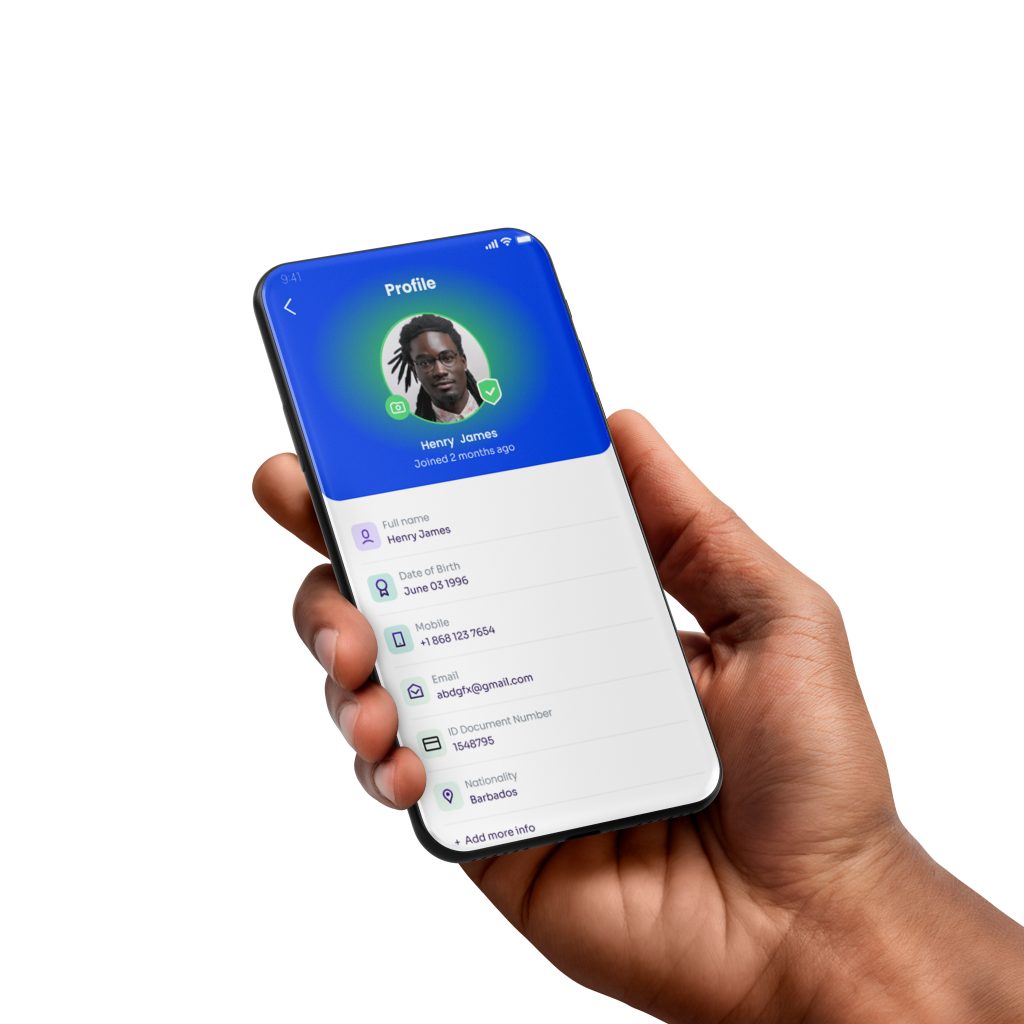
Birth extracts, driver’s licenses, student status, pension verification — all portable, private, and user-controlled in secure digital wallets. -
Services Plug In Instantly
Banks, healthcare providers, employers, travel systems, and law enforcement can instantly verify credentials, reducing friction and unlocking new opportunities.
Why the Caribbean Can Leap Ahead
Other nations proved digital trust was possible. But the Caribbean can show it can be smarter, fairer, and more inclusive:
-
Data sovereignty by design — sensitive information remains in-country.
-
Regional interoperability — trust credentials that move seamlessly across borders.
-
Cost-efficient innovation — no billion-dollar mega data centers required.
-
Global relevance — built with open standards, instantly recognizable internationally.
This isn’t about catching up. It’s about leapfrogging.
The Movement Has Already Begun
Governments are already signaling their interest in joining. Universities are preparing to pilot. Enterprises are lining up to connect.
The Caribbean is not just preparing for digital transformation — we’re shaping the global future of trust.
And what’s coming next? We can’t wait to share it.